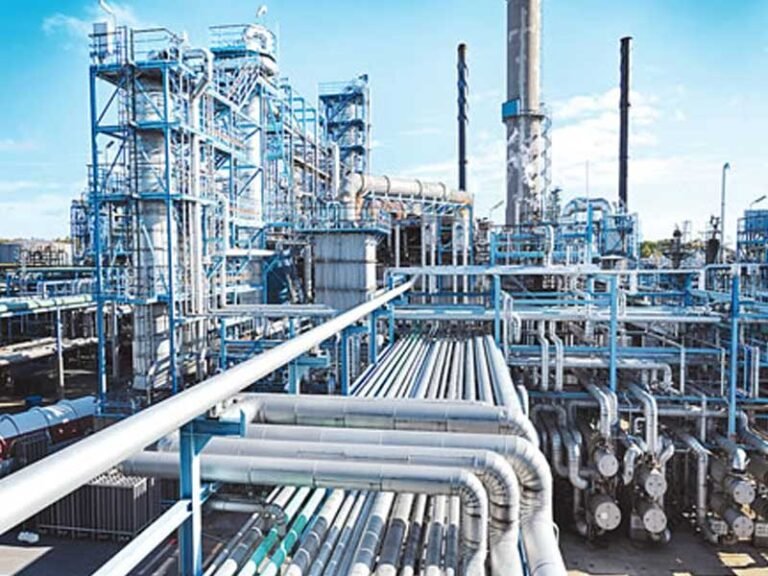
A major oilfield services operator* needed to reinforce the reliability of a nitrogen generation system supporting live operations in a remote producing asset. The immediate trigger was a requirement for complete replacement sets for a field nitrogen generation package manufactured by a specialist OEM. In practice, the issue was broader than spare procurement. Nitrogen generation systems sit within the wider architecture of process support, equipment integrity, maintenance continuity, and operational readiness. Where component availability becomes uncertain or replacement cycles are poorly managed, the risk is not confined to maintenance delay. It can impair the resilience of the plant itself. Qabas was engaged to manage the requirement as a continuity and package support matter, structuring the sourcing strategy, addressing phased supply constraints, and aligning procurement with the realities of field operations.
The Situation
Nitrogen generation assets are typically treated as secondary infrastructure until they become operational bottlenecks. Yet in remote field environments they often support a range of critical functions, from process support and equipment servicing to operational readiness across adjacent systems. The challenge in this case was not simply obtaining parts. It was ensuring that the client could preserve package integrity in a setting where delays in specialised OEM supply could quickly translate into wider reliability exposure.
That challenge was compounded by the nature of the required items. The client was not seeking a generic consumable. It required complete sets linked to an OEM nitrogen generation package, with certain critical components subject to longer supply timelines than the rest of the material. This introduced a sequencing problem. A conventional procurement response might have treated the file as a single order with one lead time. In operational terms, that would have been too blunt. The client needed visibility over which items could be mobilised earlier, which items would constrain the overall programme, and how to minimise the impact of the slowest moving components on field support planning.
The deeper issue was therefore one of package level continuity. The requirement had to be managed in a way that reflected the operational role of the nitrogen generation system, the lead time structure of OEM supply, and the need to preserve flexibility in how material reached the field.
Our Approach
Qabas approached the assignment as a critical package support and continuity matter rather than a narrow RFQ response. The first priority was to clarify the full replacement requirement and structure the procurement around complete sets for the nitrogen generation package, rather than around isolated line items. This mattered because in specialised field systems, partial availability does not always translate into usable maintenance readiness.
Qabas then worked through the supply chain profile of the package, distinguishing between the components that could be mobilised within a shorter cycle and those whose availability was constrained by the OEM. That enabled the file to be reframed from a single lead time procurement into a staged continuity strategy. Instead of presenting the client with an all or nothing timeline, Qabas created an option architecture under which the faster moving material could be delivered earlier while the remaining critical items followed on the longer cycle.
This approach improved the usability of the procurement. It gave the operator not only a commercial quotation, but a more operationally intelligent view of how supply timing would affect maintenance planning and field continuity.
Implementation
Qabas managed the file through supplier engagement, quotation development, and lead time structuring, ensuring that the client received a commercially and operationally coherent response. The package was built around DDP delivery to Messla field, with explicit treatment of the differing supply horizons across the required components.
The practical value lay in how the procurement was organised. By separating the long lead OEM critical items from the material available on a shorter cycle, Qabas gave the client a workable route to preserve momentum and reduce the exposure associated with waiting for the full package to move as one block.
Results
The client obtained a structured procurement response for two complete nitrogen generation support sets, with clear visibility over component level lead times and a staged delivery route capable of reducing continuity risk in the field. This strengthened planning around maintenance and package support, while giving operations a more realistic basis for managing the system during the supply cycle.
More importantly, the engagement treated the nitrogen generation package as what it was: not a spare parts issue in isolation, but a field critical support system requiring disciplined handling of OEM dependency, delivery sequencing, and operational continuity. Qabas helped the client move from a narrow procurement request to a more resilient package support strategy.
*We take our clients’ confidentiality seriously; whilst names are changed, outcomes remain real.